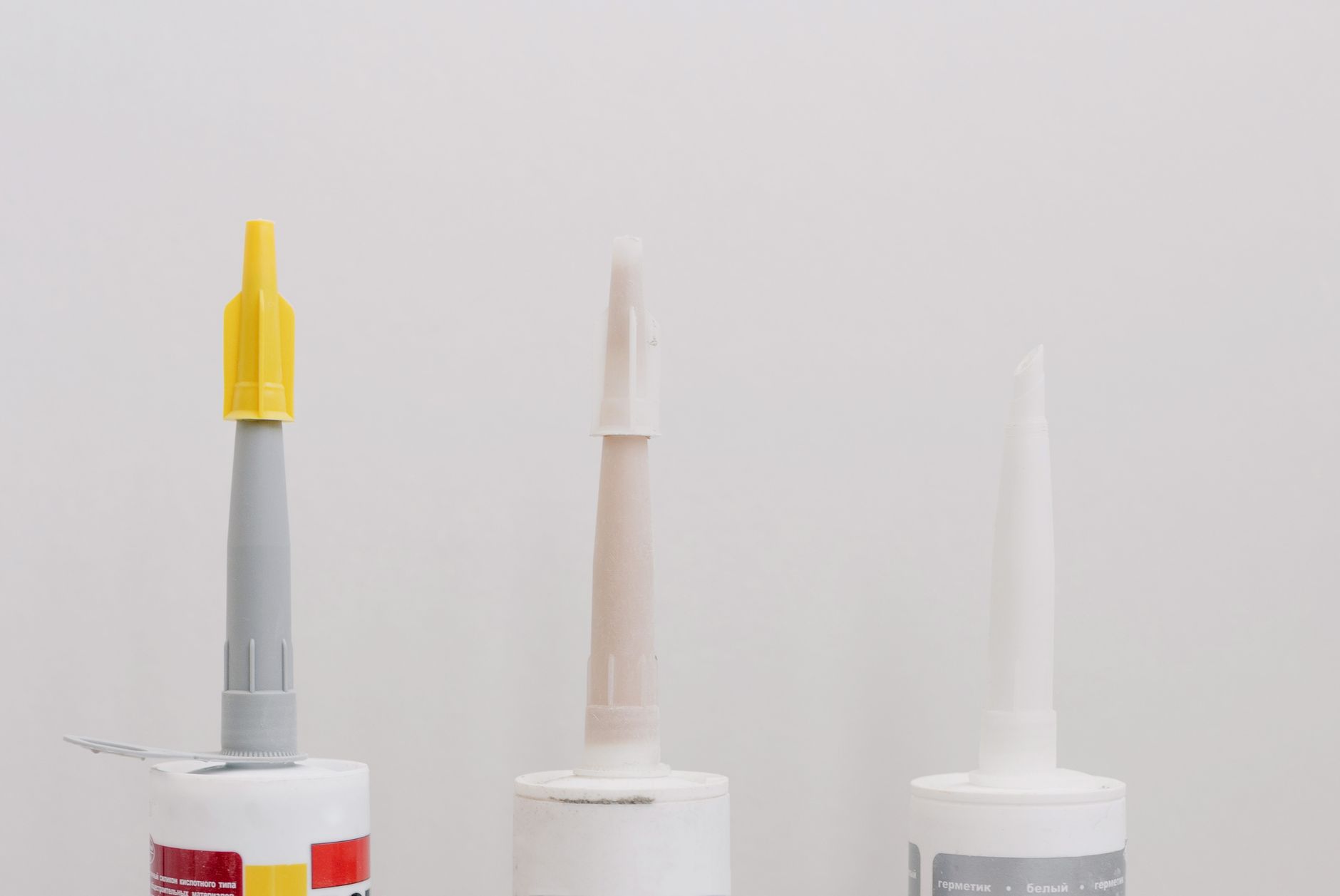
Green Glue and acoustic caulk are both used in soundproofing projects, but they serve completely different purposes. Using the wrong product in the wrong place is a common and expensive mistake.
What Is Green Glue
Green Glue is a viscoelastic damping compound. Applied between two rigid layers — typically drywall panels — it converts sound energy into small amounts of heat through mechanical damping. It works by remaining slightly flexible after curing, which prevents the two rigid layers from vibrating in sync.
Green Glue is applied to the back of a drywall panel before it is screwed to an existing layer. It is not a gap sealer and should not be used to fill cracks, gaps, or penetrations. Its purpose is exclusively to add damping between two solid surface layers.
What Is Acoustic Caulk
Acoustic caulk — sometimes called acoustical sealant — is a flexible, permanently pliable sealant used to close gaps and penetrations in walls, ceilings, and floors. Unlike standard silicone or latex caulk, acoustic caulk remains flexible indefinitely rather than hardening and cracking. This flexibility prevents it from transmitting vibration through the sealed joint.
Common applications: sealing the perimeter of drywall panels at the floor, ceiling, and corners; sealing around electrical boxes, pipes, and wires that penetrate walls; closing gaps around door and window frames. These small openings are significant sound leakage points — a gap of just 1 percent of a wall’s area can reduce its effective STC rating substantially.
The Key Difference in One Sentence
Green Glue goes between two solid layers to add damping. Acoustic caulk goes in gaps and around penetrations to block sound leakage paths.
When to Use Each
Use Green Glue when: adding a second layer of drywall to an existing wall, building a new wall assembly where you want damping between layers, or improving any rigid sandwich construction.
Use acoustic caulk when: sealing the perimeter of new drywall, closing gaps around outlets and switches, sealing pipe and wire penetrations, or finishing any wall edge that meets another surface.
Using Both Together
In a complete soundproofing assembly, you typically use both products. Green Glue between drywall layers provides damping throughout the panel area. Acoustic caulk seals the edges and any penetrations. Together they address the two separate mechanisms — vibration transmission through mass and leakage through gaps — that limit wall performance.
Common Mistakes
- Using Green Glue to fill gaps — it is not a sealant and will not adhere firmly in thin gap applications
- Using standard silicone caulk instead of acoustic caulk — silicone hardens and can crack, creating a path for sound
- Applying acoustic caulk between drywall layers instead of Green Glue — caulk does not provide effective damping in this application