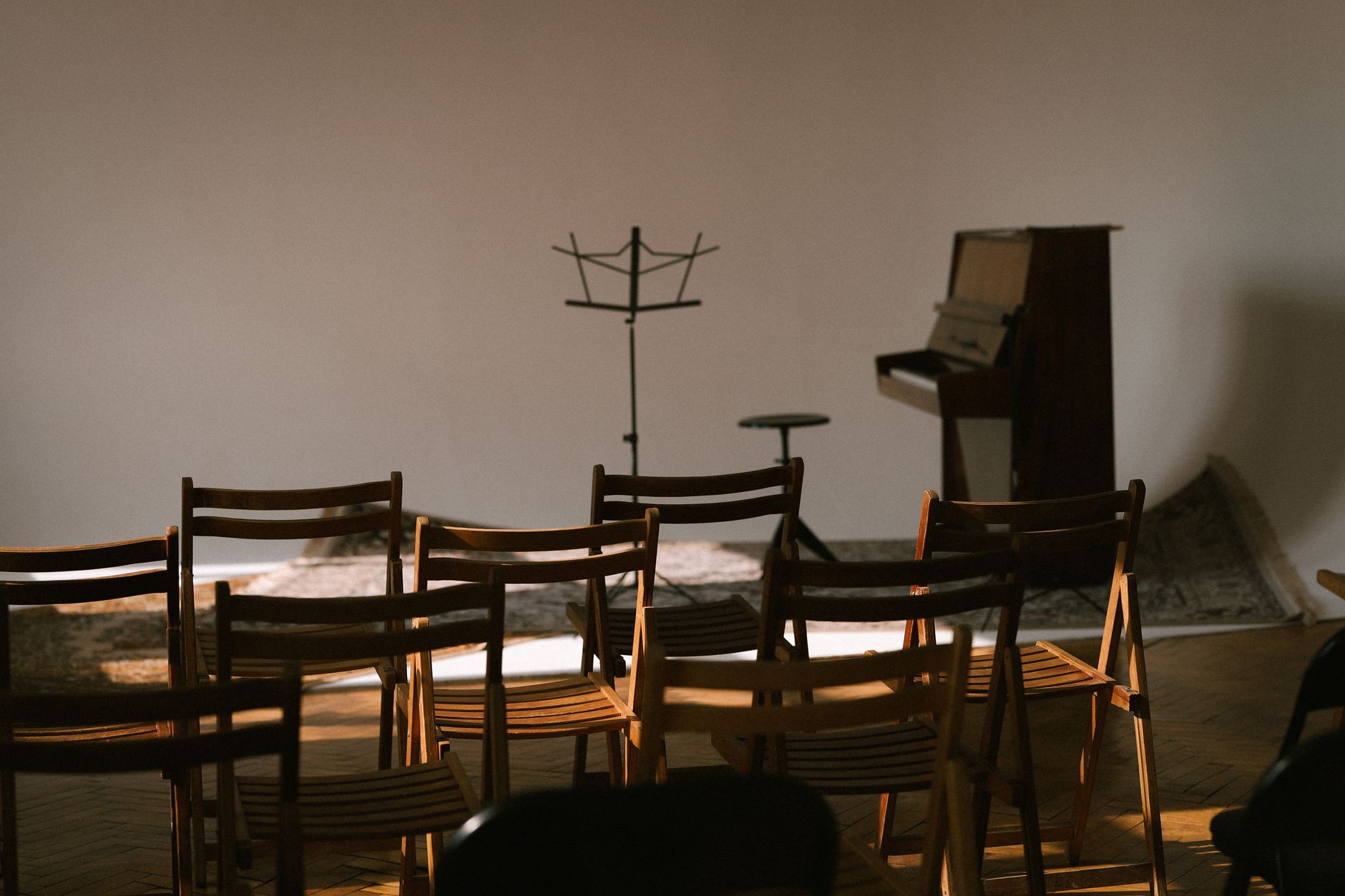
Echo and reverberation in small rooms make spaces feel harsh, uncomfortable, and acoustically unpleasant. The problem is particularly common in rooms with hard parallel surfaces — concrete floors, bare walls, and low ceilings. Here is how to address it effectively.
Why Small Rooms Echo
Sound reflects off hard surfaces. In a room with parallel hard walls, reflections bounce back and forth repeatedly before dying out. This creates a prolonged decay of sound — reverberation — that makes speech sound muddy and music sound washy. Hard surfaces like concrete, plaster, tile, and glass reflect nearly all sound energy that hits them.
Add Absorptive Surfaces
The primary solution is introducing materials that absorb rather than reflect sound. Soft, porous materials — fabric, foam, fiberglass, mineral wool — convert sound energy into heat when sound waves enter their structure. Covering even 25 to 30 percent of a room’s hard surface area with absorptive material produces a noticeable improvement in echo.
Practical absorptive additions: thick rugs on hard floors, upholstered furniture, heavy curtains, bookshelves filled with books, and purpose-made acoustic panels. The combination of these in a typical living room or bedroom typically brings echo under control without additional acoustic treatment.
Acoustic Panels — Where and How Many
For rooms where echo persists after furniture and soft furnishings are in place — home offices, spare rooms used for calls or recording — acoustic panels provide targeted absorption. Place panels at first reflection points: the wall surfaces where sound from your main listening or working position first hits before reaching your ears. Typically this means panels on the side walls at ear height and one on the ceiling above your desk or position.
A home office typically needs four to six 24×48 inch panels for comfortable speech clarity. A recording or podcast room may need more, with panels on multiple walls and corner bass traps.
Diffusion for Larger Rooms
In larger rooms, adding only absorption can make a space feel acoustically dead and uncomfortable. Diffusion — scattering sound in multiple directions rather than absorbing it — is used alongside absorption to maintain a lively but controlled sound. Bookshelves with irregularly sized books, textured wall surfaces, and purpose-made diffuser panels all contribute diffusion. For home use, a mix of absorptive panels and diffusive bookshelves typically achieves a comfortable balance.
Bass Traps for Low-Frequency Echo
Low-frequency echo requires thicker absorbers placed in room corners. Corner bass traps — thick mineral wool or fiberglass panels installed floor-to-ceiling in room corners — absorb bass energy that accumulates in corner pressure zones. These are particularly relevant in rooms used for music listening or recording where bass accuracy matters.