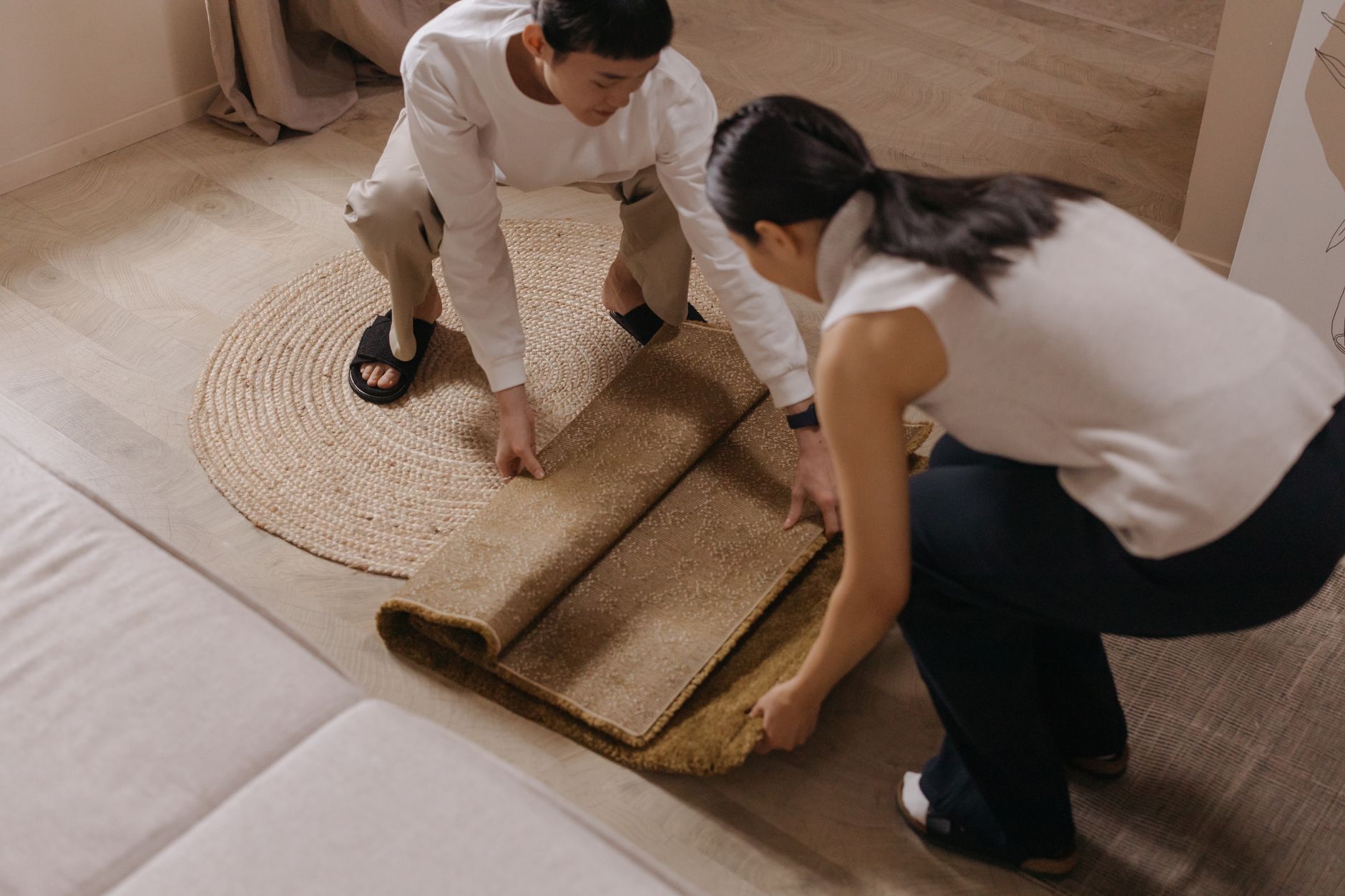
Rugs are one of the simplest and most accessible tools for reducing floor noise. The right rug with the right underlay can meaningfully reduce the footstep noise you generate and improve the acoustic quality of your room. Here is what to look for.
What Makes a Rug Effective for Noise
Two factors determine a rug’s noise-reduction performance: pile height and underlay density. A thick pile absorbs impact energy from footsteps before it transfers to the floor structure. A dense rubber underlay beneath the rug provides additional cushioning and decouples the rug from the hard floor surface, improving impact isolation further.
Pile Height and Density
Choose rugs with a pile height of at least half an inch — 0.5 to 1.5 inches is the practical sweet spot for noise reduction. Higher piles provide more cushioning. Dense, closely woven pile performs better than looser weaves of the same height because there is more material to absorb impact energy.
Avoid flat-woven rugs — kilims, flatweave dhurries — for noise control. Their minimal pile height provides little cushioning and minimal acoustic benefit.
Underlay Is as Important as the Rug
The underlay beneath a rug contributes significantly to impact noise performance — arguably more than the rug itself. Dense rubber underlays in the 8 lb per cubic foot range provide far better isolation than thin foam pads. Look for underlays specifically marketed for noise reduction rather than standard non-slip pads, which are thin and foam-based.
Quality rubber underlays also extend rug life by preventing wear from movement against the hard floor.
Size Matters
A rug that covers only a small portion of the floor leaves most of the surface untreated. For a bedroom or home office, choose a rug large enough to extend at least 18 inches beyond the furniture footprint on each side. In living rooms, a rug that fits all main furniture legs on it provides the best coverage and acoustic effect.
Types That Work Well
Shag rugs: Long pile, good for absorption and impact cushioning. Harder to clean but effective acoustically.
Wool rugs: Dense natural fiber, excellent absorptive properties, and durable. Higher cost but long-lasting.
Tufted rugs with latex backing: Widely available and affordable. The latex backing adds some decoupling effect. Pair with a quality rubber underlay for best results.
What Rugs Cannot Do
Rugs reduce the impact noise your footsteps generate for rooms below and improve acoustic comfort inside your room. They do not block noise from entering your room from below or from adjacent spaces. For a complete noise control strategy, combine rugs with door sealing, window treatment, and wall treatment as needed.