Sleep is the most important reason to address noise in an apartment. Even noise that you can tolerate during the day becomes disruptive when you are trying to sleep. Here is a practical approach to making your bedroom quieter at night without major modifications.
Identify Your Main Noise Sources First
Before spending money on materials, spend a few nights noting where noise comes from. Is it the window facing the street? The wall shared with a neighbor? The door to the corridor? Footsteps from above? Each source requires a different approach, and treating the wrong one wastes time and money.
Treat the Entry Points in Order of Impact
The Door
Corridor noise and noise from other rooms in your apartment enters primarily through the door gap. Install a door sweep to close the bottom gap and foam weatherstripping around the three remaining sides of the frame. This is a 30-minute task that costs under $20 and often produces the most noticeable overnight improvement.
The Window
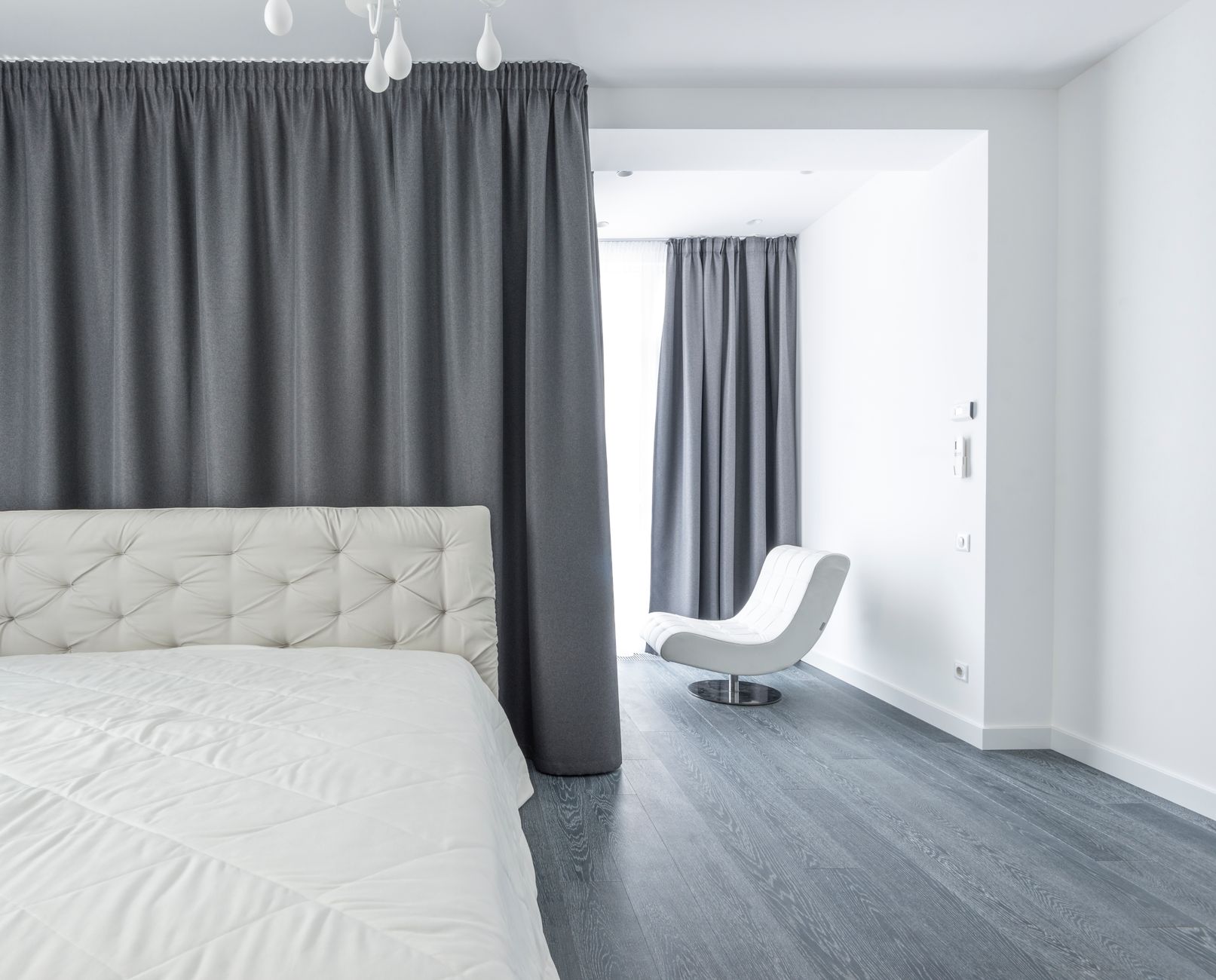
If traffic noise is your primary problem, seal any gaps in the window frame with acoustic caulk and hang the heaviest curtains you can find. Extend the curtains floor to ceiling and beyond the window frame. For persistent road noise, consider a window insert — a removable acrylic panel that fits inside the existing frame and creates a sound-reducing air gap.
Shared Walls
Place your bed away from shared walls if at all possible. Even moving the headboard to an interior wall reduces exposure to neighbor noise significantly. Add furniture — particularly bookshelves — to shared walls to add mass and absorption.
Use White Noise Strategically
A white noise machine on your bedside table is one of the most effective tools for nighttime noise management. It raises your room’s ambient sound level consistently, which means individual noise intrusions — footsteps, doors closing, a neighbor’s TV turning on — become less distinct and less likely to wake you.
Choose a machine with a fan-based mechanism or a quality speaker that produces consistent broadband noise. Avoid machines with looping recordings — the loop point becomes audible and eventually irritating.
Blackout Curtains Double as Noise Reduction
Rooms that are both dark and quiet sleep better. Heavy blackout curtains serve both purposes — they block light from streetlamps and reduce the acoustic sharpness of outdoor noise. Position them to completely cover the window with overlap on all sides.
Earplugs as a Last Resort
Foam earplugs are cheap and effective at blocking mid to high-frequency noise. They are not comfortable for everyone and do not address low-frequency bass, but for situations where roommates, partners, or neighbors are sources of disruption, they provide reliable relief. Use them as a supplement to room treatment rather than a substitute.
The Layered Approach for Bedrooms
The most effective bedroom setup combines multiple methods: sealed door gaps, heavy curtains, furniture against shared walls, and a white noise machine. Each element reduces noise at a different entry point or masks what remains. This combination is achievable in a rented apartment for a total investment of $100 to $300 and typically reduces nighttime disturbance to a manageable level.