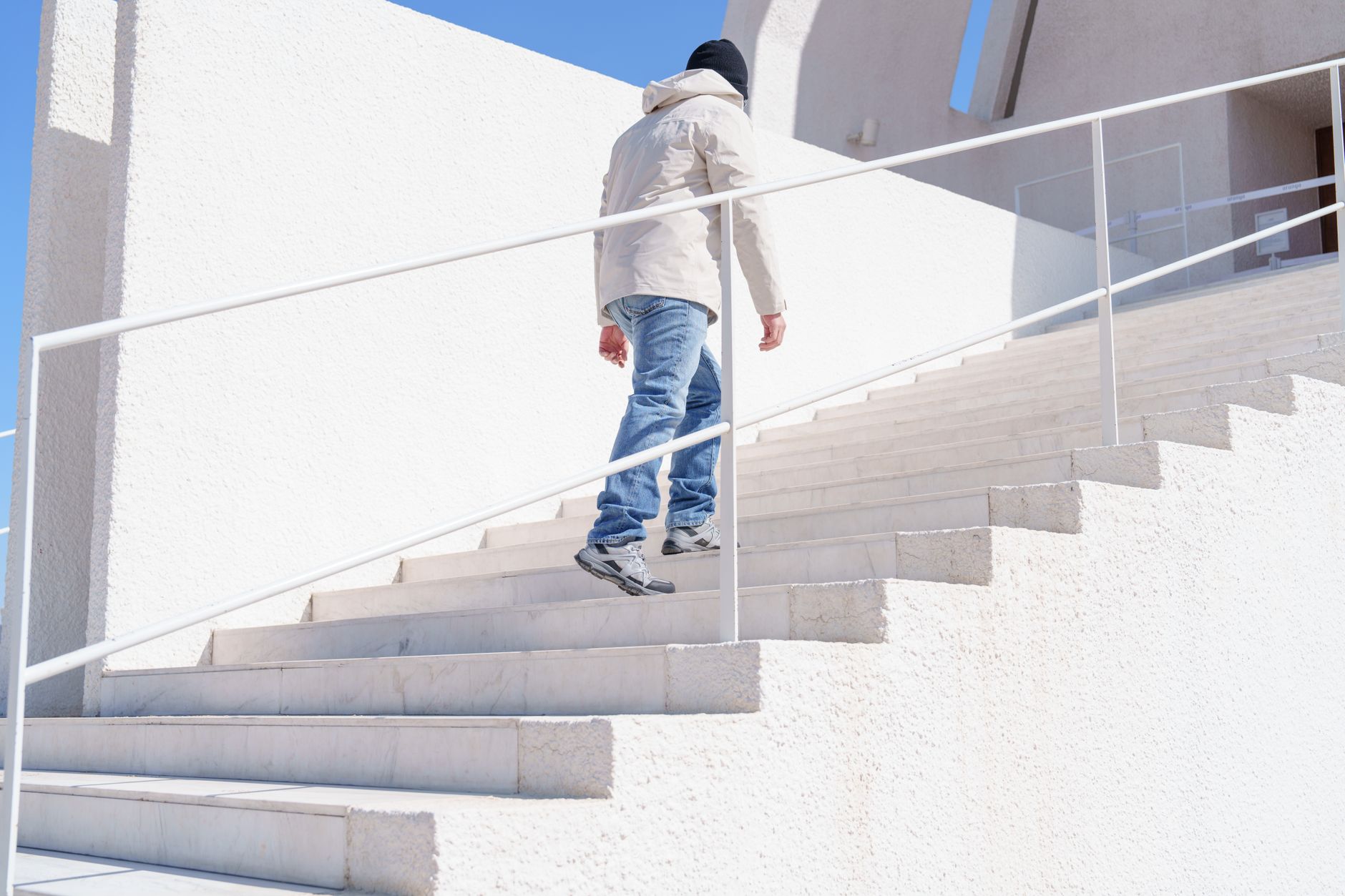
Impact noise from upstairs neighbors is one of the most common and frustrating noise problems in apartment living. Footsteps, dropped objects, furniture dragging, and children running create vibrations that travel through the building structure directly into your ceiling and walls. This type of noise is different from airborne noise and requires a different approach to control.
Why Footstep Noise Is So Difficult to Block
Footstep noise is impact noise — vibration that travels through solid materials. When your upstairs neighbor takes a step, that energy transfers into the floor structure, travels through the concrete or wood, and radiates as sound into your ceiling. Unlike airborne noise, you cannot simply add an absorptive layer and expect results. You need to either decouple the structure or add mass and damping.
The honest reality: if you are a renter, you have limited options for structural treatment. Most effective solutions require accessing the ceiling or the floor above — neither of which is typically available to tenants.
What You Can Control as a Renter
Add Mass and Absorption to Your Ceiling
While you cannot decouple your ceiling without renovation, adding mass-loaded vinyl panels or heavy fabric to ceiling surfaces can marginally reduce the transmission of impact noise. The effect is limited but noticeable for lighter footstep sounds.
Use Rugs and Underlay on Your Own Floor
This sounds counterintuitive — your floor is not the problem. But thick rugs with dense rubber underlays reduce the echo and resonance of impact noise inside your room. They do not block the sound from entering, but they reduce how it reflects and how long it persists in your space. A room with hard floors amplifies impact noise significantly compared to a carpeted room.
Choose rugs with a pile height of at least 0.5 inches and pair them with a dense rubber underlay pad — not the thin foam type. The combination absorbs the sound energy that would otherwise bounce off your floor and back to your ears.
Use White Noise or Masking Sound
A white noise machine does not reduce footstep noise — it masks it by raising the ambient sound floor of your room. When your room is very quiet, each footstep above is startling. When there is a consistent background noise at moderate volume, individual footstep impacts become less distinct and less disturbing. This is not a soundproofing solution, but it significantly improves livability at low cost.
Bookshelves and Furniture Against Shared Surfaces
Placing heavy furniture — especially bookshelves filled with books — against ceilings or near the areas where impact noise enters adds mass to the room boundary and provides some absorption. The effect is modest but contributes to an overall improvement when combined with other methods.
Long-Term Solutions if You Own Your Apartment
If you own your unit, the most effective treatment for ceiling impact noise is installing a decoupled ceiling system — either resilient channels with an additional drywall layer and acoustic insulation, or a fully floating ceiling system. These require construction work but can achieve dramatic reductions in impact noise transmission.
Talk to Your Neighbor First
Before investing in materials, consider speaking with your upstairs neighbor. In many cases, footstep noise is simply a matter of neighbors wearing hard-soled shoes or having uncarpeted floors. A polite conversation about adding rugs above can solve the problem at zero cost to you.
Summary
- Impact noise travels through structure — absorption alone does not stop it
- As a renter, use thick rugs, white noise, and furniture placement
- Speak with your neighbor about adding carpet above
- Structural decoupling is the real solution but requires ownership or landlord permission